

If you're planning to install a dashcam and you're lured by some cheap dash cam options plastered all over online marketplaces, you should pause.
That price tag isn't cheap; it's deceptive. What you're really buying isn't protection. It's a false sense of security.
This breakdown isn't about hyping premium gear. It's about exposing the flaws and shortcomings of low-cost dashcams when it counts.
If you're someone who owns a car, drives a rideshare, motorcycle, or manages a fleet, this applies to you.
1. Footage That Doesn't Hold Up (Blurry, Compressed, Useless Footage)
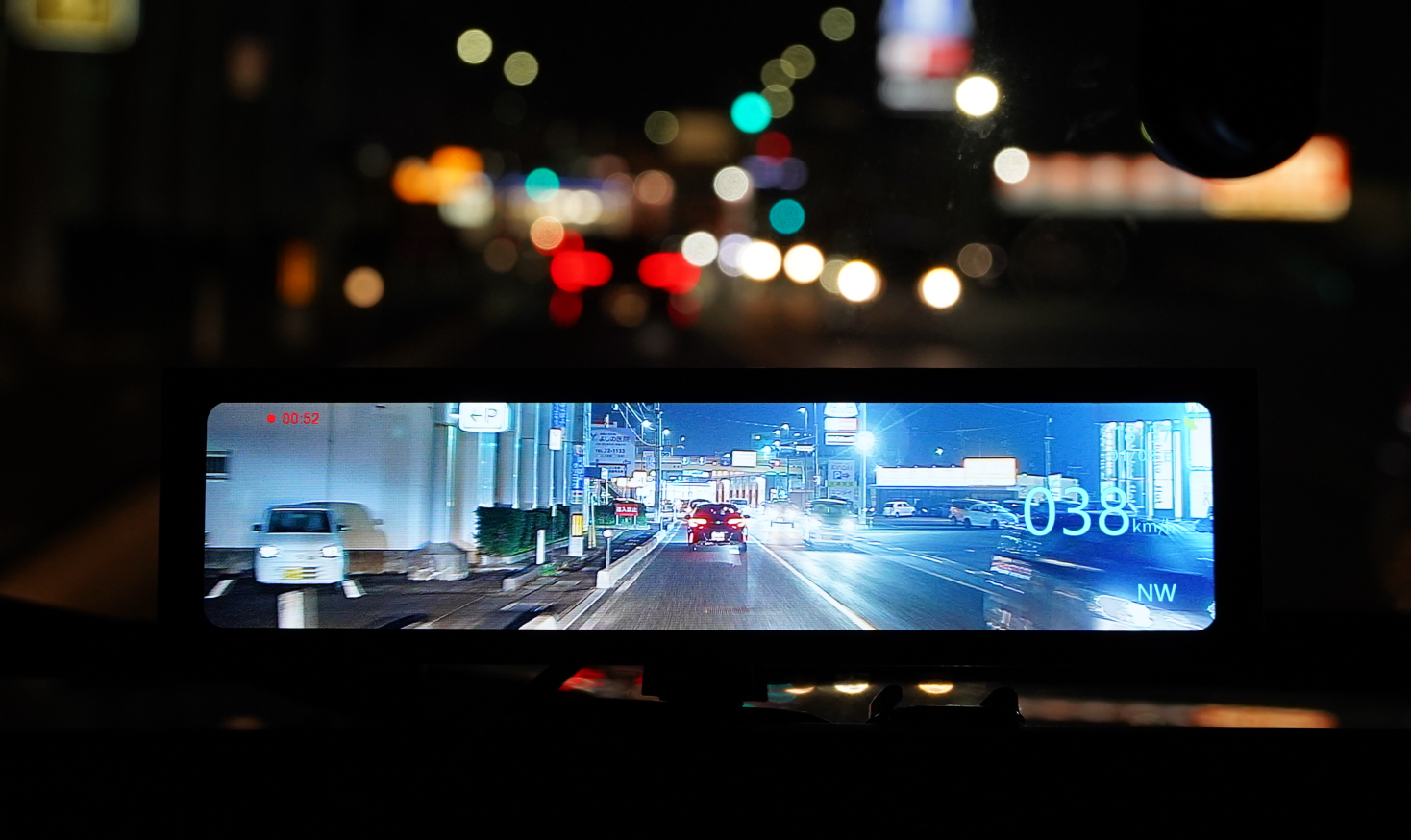
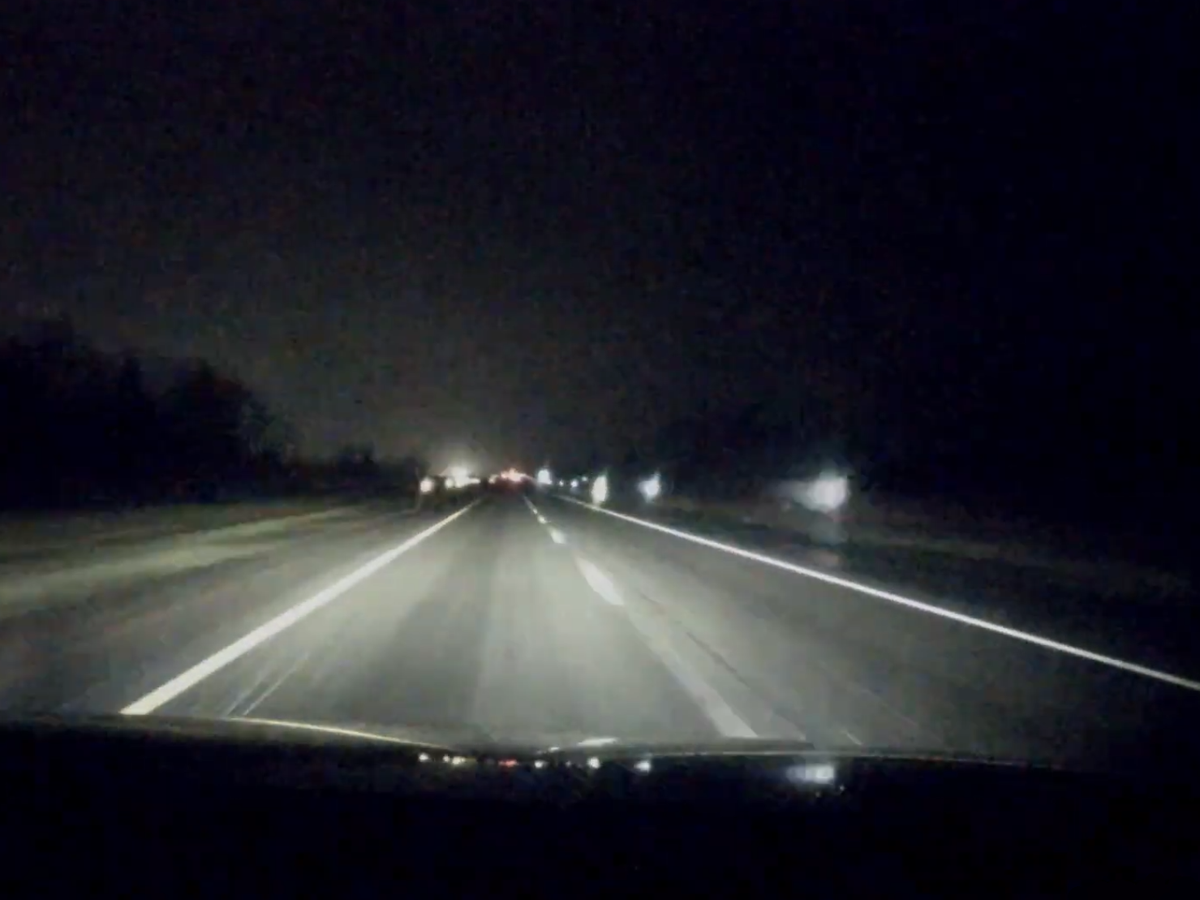
Most low-end dashcams offer poor image quality disguised by inflated specs. They might advertise 1080p, but the fine print often reveals interpolated resolution.
In other words, your footage is being stretched to fake a higher quality, leaving you to find license plates unreadable, details missing, and anything that happens at night becomes a grainy smear.

And this isn't hypothetical at all. Many drivers have had claims denied because their dashcam couldn't show enough to verify a hit. Insurance companies need clean evidence.
Higher-tier options like the Akeeyo AKY-710S-Moto capture in real 4K and use Sony's STARVIS sensor, which was built to deal with shadows, high contrast, and fast motion.

2. Overheating, Cracked Batteries, Dead Devices
Lithium-ion batteries are sensitive to excessive heat or cold. Unfortunately, dashcams on a budget still rely on them.
Leave one on a windshield in July, and the unit might shut down or swell like a balloon. Worst case? It fails to power up after a bump in the road, or right when you need the recording.
This is why premium dashcams, like those from Akeeyo, use supercapacitors instead. No battery bulge, winter failure, or sudden power loss when your car gets to 100°F inside. It's the kind of thing that seems minor until the moment it isn't.
3. Narrow Views and Blind Spots
Honestly, dashcams that only film the front windshield aren't really protecting you. Rear-end collisions, sideswipes, and blind intersections, none of that is visible in basic front-only footage.
Low-end models usually stick to a 120° field of view or less.
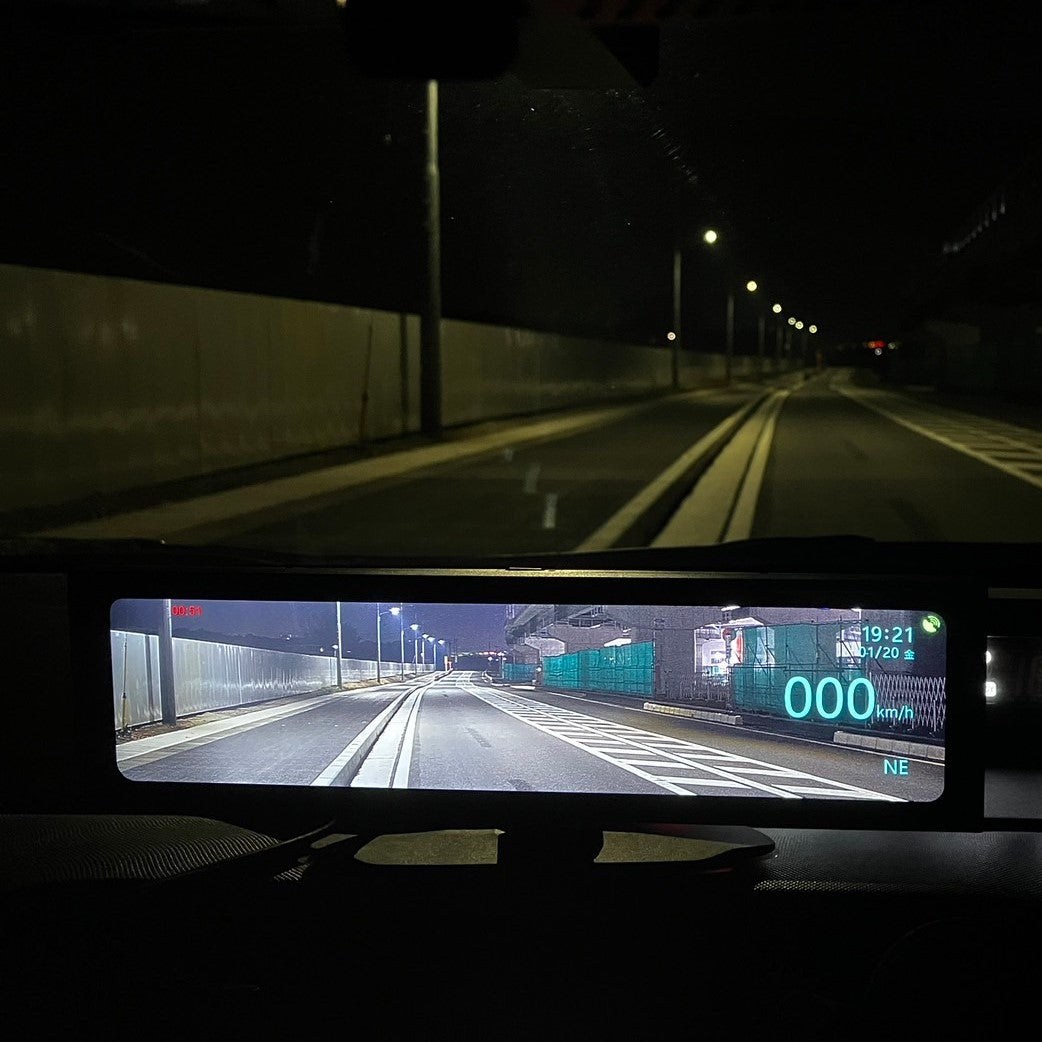
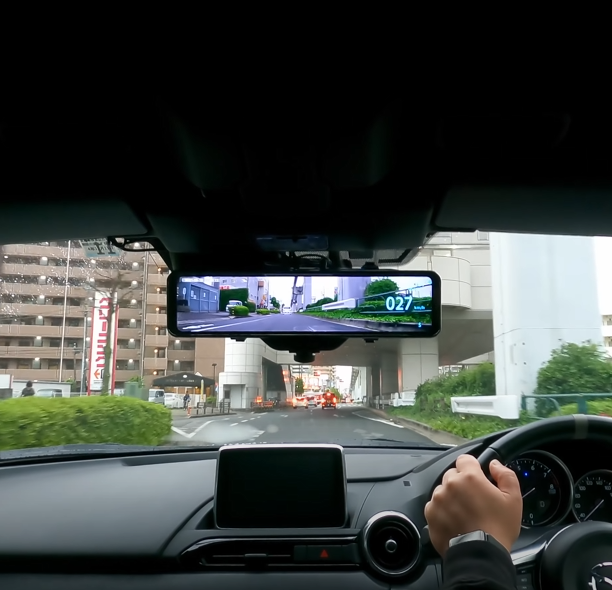
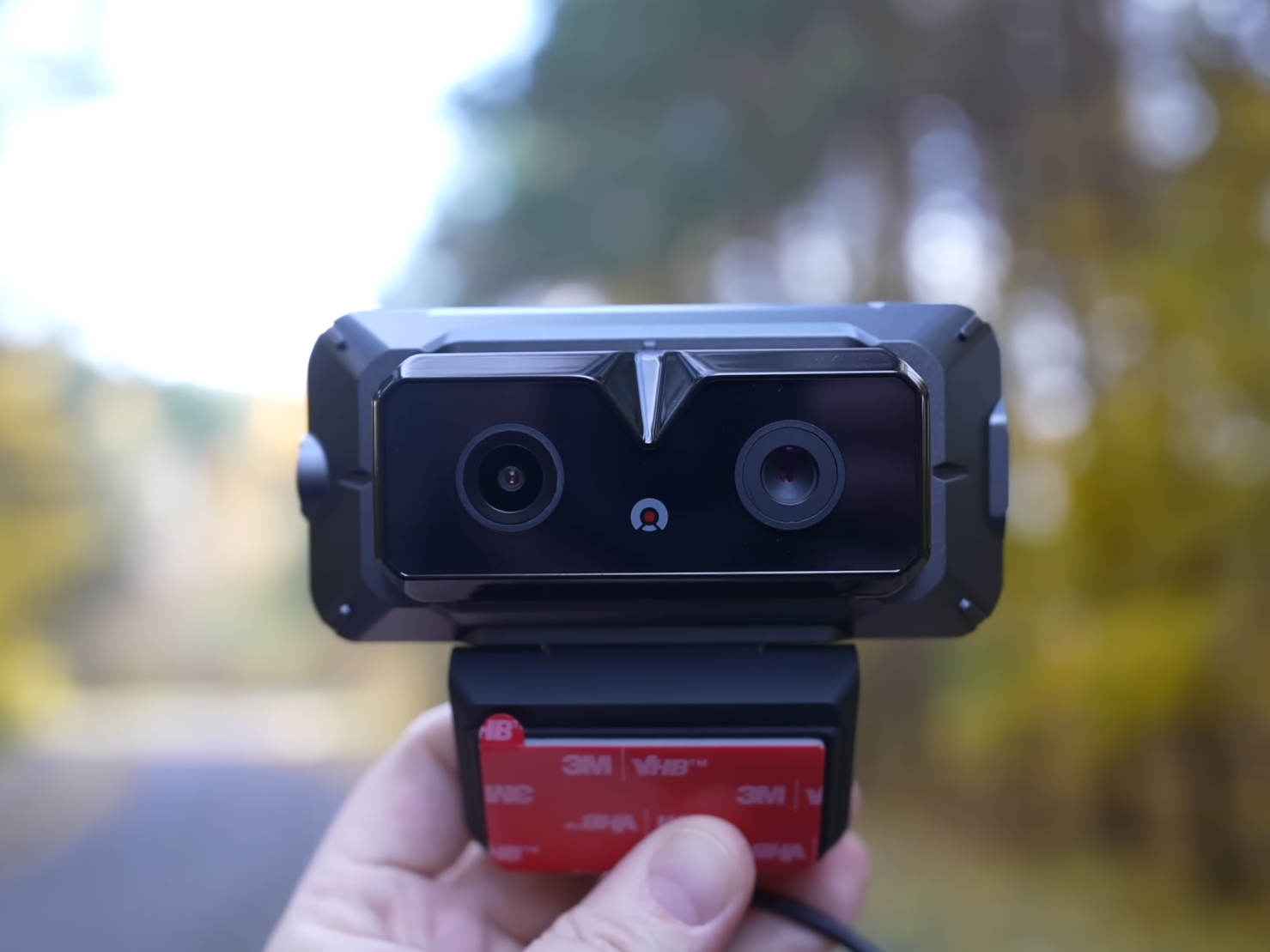
Compare that to Akeeyo's lineup: the AKY-V720S captures 720° panoramic coverage, stitching together front, side, and in-cabin views for complete spatial awareness.
The AKY-V360S, a 360° mirror dashcam ideal for rideshare drivers, taxis, and fleet vehicles, gives a full dome-like recording field without external sensors.
4. No Driver Assistance, No Prevention
Most budget dashcams don't offer ADAS (Advanced Driver Assistance Systems). So when you drift out of your lane, follow too close, or nearly hit a pedestrian, they stay silent.
Cameras like the Akeey EYES offer collision warnings, pedestrian alerts, lane departure warnings, and fatigue monitoring. Its role extends beyond recording by helping you drive smarter and safer. It's a world of difference between a camera that watches and one that watches your back.

5. No Emergency Lock And Parking Protection
It's common for drivers to think, "As long as it records, I'm fine." But if your dashcam doesn't detect impact, it may keep recording right over the moment of truth.
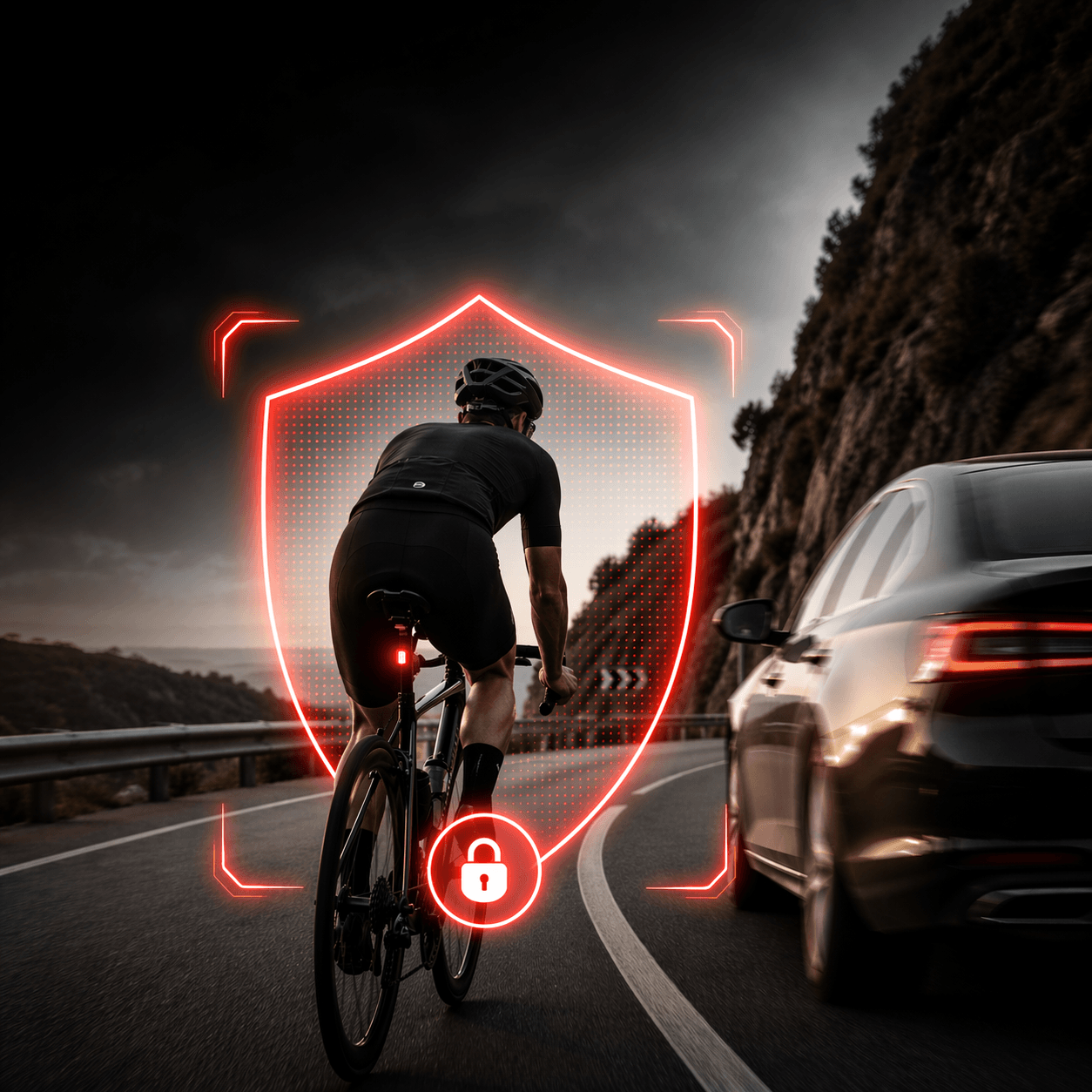
Without a G-sensor or emergency lock function, the moment of impact might vanish before you even review it. If your car gets hit while parked, there's a good chance you won't even know. And if your car gets bumped in a parking lot? Most low-end cams won't even turn on to record it.
High-end dashcams support 24-hour parking mode and emergency recording that locks the file as soon as impact is detected.
6. Storage Limits and Corrupted Files
Cheap dashcams often max out at 32GB or 64GB SD cards. Worse, many don't support high-speed cards. If your memory card can't write fast enough, you get choppy footage, gaps, or corrupted files.
You need loop recording, emergency lock, and at least 128GB to 256GB UHS-3 support; all of which Akeeyo includes by default. Some models even ship with cards already included.
7. No App, No Updates, No Help
Expect nothing in the way of updates from budget dashcams. There's no app for previewing footage or tweaking settings. Firmware bugs stay unfixed. You're stuck with whatever the device was at launch.
By contrast, Akeeyo devices like EYES and Smile include Wi-Fi, app control, voice commands, and OTA firmware updates that make it seem more like a supported device than a throwaway gadget.
8. Bad Mounts, Worse Installs
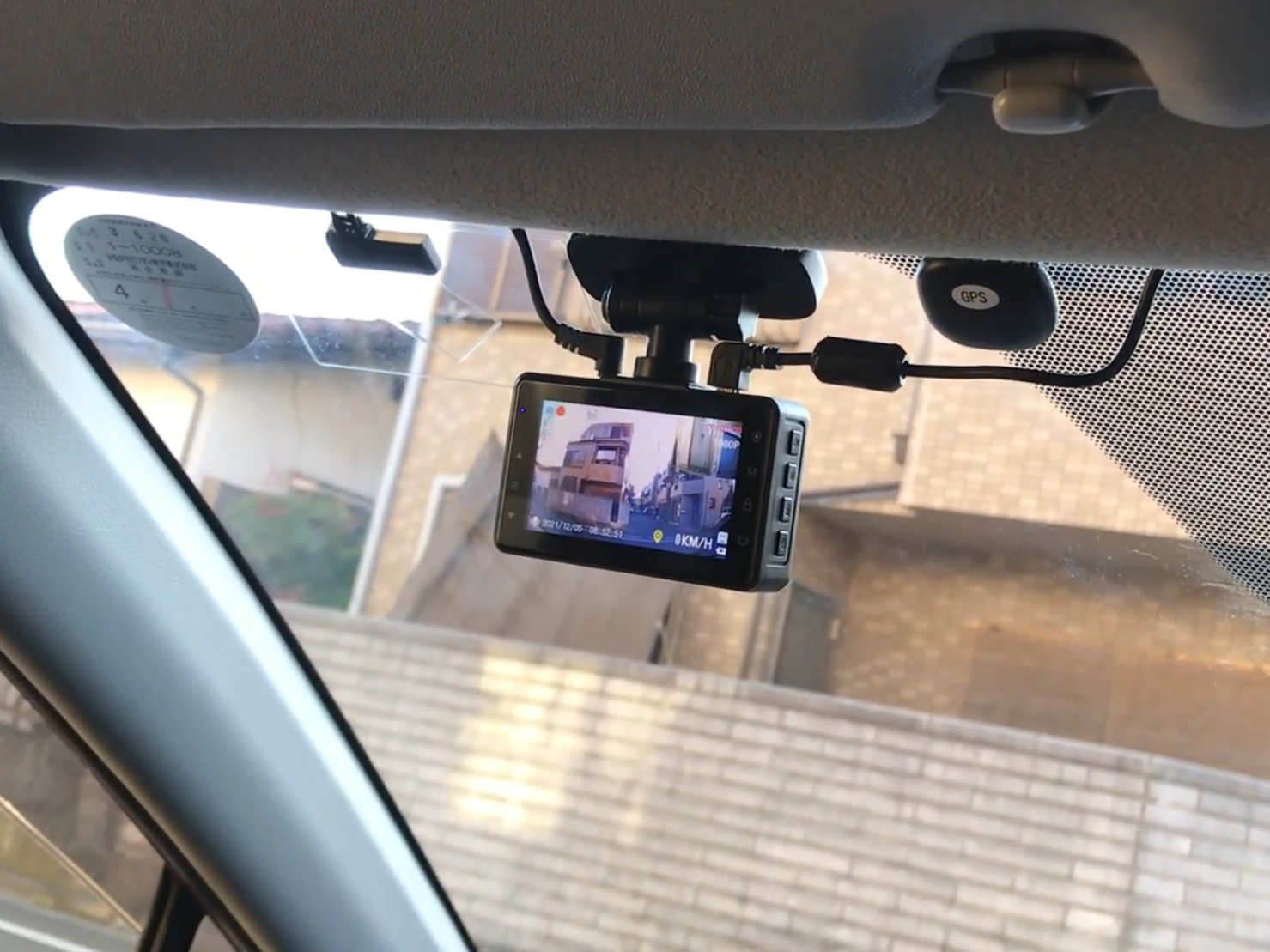
The suction mount packaged with the low-quality dash camera will fall off in a week, or sooner if your windshield heats up. The cable is too short, and you'll probably need to rig something up to keep it from blocking your rearview mirror.
Akeeyo uses long waterproof cables, universal mirror mounts, and cleaner installs. The AKY-V360S, for instance, replaces your rearview mirror entirely with a streaming display. No wires flopping around or mounts coming loose.
9. No Warranty or Recourse
Most ultra-budget brands aren't brands at all, since they rebrand mass-produced models, offer no support, and disappear when things go wrong. You won't get a warranty or your money back.
Akeeyo offers a 1-year warranty, plus dedicated support through email and website. We even have a low-price match policy. That doesn't just protect your dashcam, but your entire purchase.
Final Thoughts (The Cost of Cheap is Usually Paid Later)
A cheap or low-quality dashcam can cost you $3,000 in legal fees, insurance disputes, or repair bills if it fails at the worst possible time.
Bad evidence is the same as no evidence. And you usually find that out too late.
You don't need to spend a fortune to get something reliable. But if a dashcam doesn't offer clarity, coverage, and durability, it's just plastic on your windshield.
If you want a dashcam that works the moment you need it, not just when it's new and sunny, look at what Akeeyo is building.

Leave a comment
All comments are moderated before being published.
This site is protected by hCaptcha and the hCaptcha Privacy Policy and Terms of Service apply.